Is your hotel website losing reservations while faster competitors get new guests every day? Most guests leave websites that are slow, messy, or hard to trust.
Today, a strong website can decide which hotel wins the booking first. Hotels that follow the latest website design trends for hotels are already seeing more direct revenue growth. You could be missing out on valuable demand every week if your website still works like an old brochure.
The good news is that smart changes can fix that quickly. These trends should be your first step before more bookings go away.
1. Mobile-First Design Can Lift Hotel Bookings by 30%

Most people who travel often search for hotels on their phones during busy times of the day. They look at the pictures, read reviews, and compare prices while they are travelling or waiting at the bus stop. A lot of people will leave your mobile website quickly if it feels slow or confusing.
They often pick a different hotel website that seems easier to use. So, make buttons big enough to tap quickly and keep menus simple. The website text should stay clear without guests having to zoom in and out all the time. During checkout, booking forms should only ask for the information they need.
On weaker networks, mobile speed is also important. That is why mobile design leads hotels website design trends 2026 today. Build for phones first always.
2. Fast Loading Pages Keep Travelers From Leaving Early
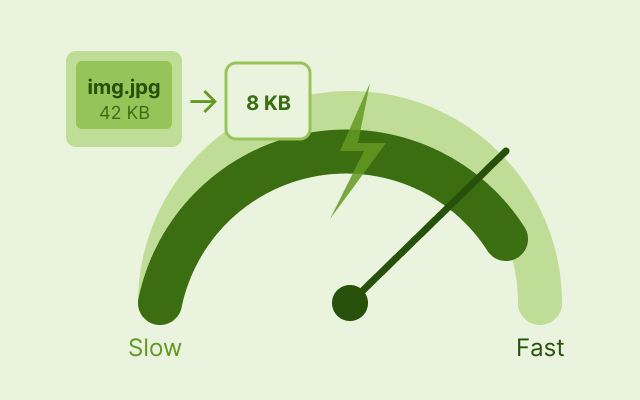
When people visit hotel websites, they expect them to load in a few seconds. When pages take a long time to load, guests lose interest right away. Delays can make visitors doubt your services before they even see them, which lowers your chances of getting a booking.
Before you add banners, galleries, and room photos on the website, make sure to compress the images. Big files often slow down important pages without adding anything useful. Get rid of heavy scripts that don’t add much to the browsing experience and use lighter design elements on all pages whenever you can.
Test your website loading speed on mobile data connections often used by travelers. Over time, faster pages will naturally also help with search visibility. This is why speed is so important in today’s website design trends. Better performance quietly leads to more conversions month after month.
3. Clear Navigation Helps Guests Book Without Confusion
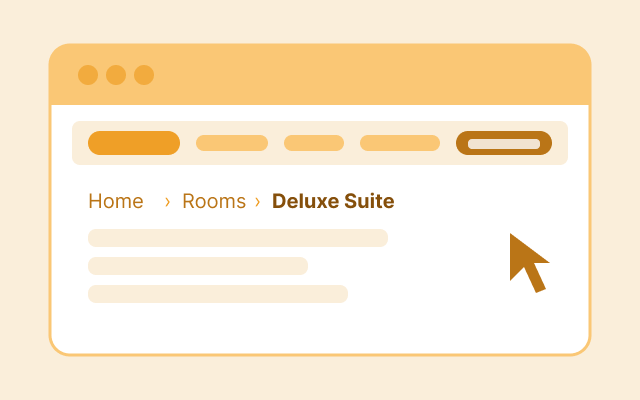
As soon as visitors arrive on your website, they should be able to find out where rooms and deals are. Menus that are hard to understand waste time and make people less likely to book right away. Use clear labels for top navigation and keep it short.
Don’t put too many dropdown options in important parts of your website. You should always be able to get to important pages with just one clear click. Search tools are helpful for bigger hotels that have a variety of room types. Breadcrumbs can help guests move through deeper content on the web more easily. This supports effective website design trends for hotels strongly today. When browsing feels easy, guests book with much less hesitation overall.
4. Real Visuals Build Trust Before Guests Even Arrive
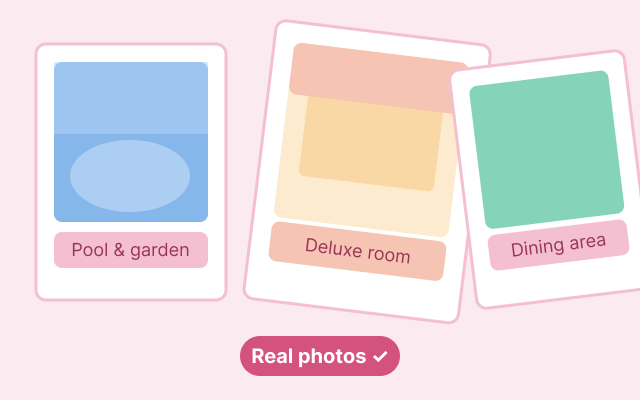
Before reading detailed descriptions online, travelers make judgments about your property. Photos often affect how people feel when they first start looking around. Use pictures of real rooms, bathrooms, pools, and dining areas. Make sure that every section has natural lighting and realistic layouts all the time.
Avoid outdated stock photos that feel generic to guests instantly. Short videos do a much better job of showing off views and the overall mood. Drone videos may also help visitors understand why the location is good. Whenever you upgrade rooms, make sure to update the photo galleries. This trend defines strong hotel website design trends 2026 today.
5. Visible Booking Buttons Increase Direct Reservations Faster
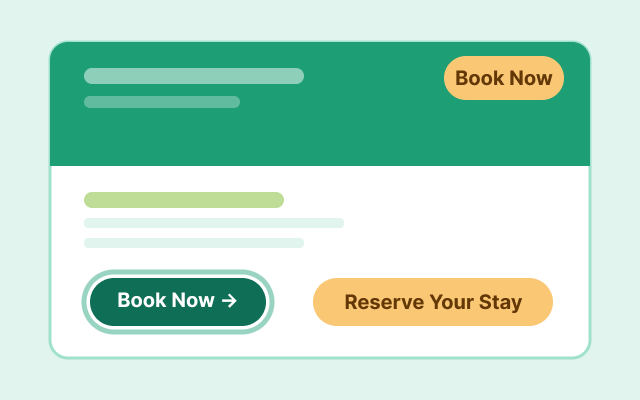
Travelers should never have trouble finding booking options on your website today. When booking actions are hidden, conversions can suddenly drop. Place “Book Now” buttons in the same places on all headers and important pages. Always use colors that stand out clearly from the backgrounds.
Sticky mobile buttons are useful when you’re actively scrolling online. Booking prompts should appear after room descriptions, when guest interest is usually strongest. Put buttons next to packages and special deals to make things easier. Always use short, clear, and direct language on all pages. This remains key within modern website design trends today.
6. Personalized Content Keeps Travelers Interested for Longer
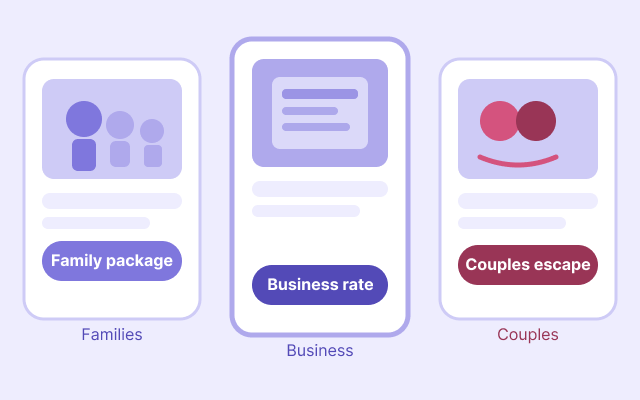
Generic hotel pages do not normally appeal to the entire group of travelers since people have varying demands that they consider when they are travelling. When your content is relevant, visitors will automatically spend more time on your site and visit more pages. Families usually seek holiday packages during school holidays.
Business travelers, however, tend to seek meeting space and convenience. Couples would prefer to use weekend specials or party stays, and returning customers tend to enjoy loyalty benefits or other incentives. You can also use location signals and browsing behavior to recommend suitable room types.
7. Trust Signals Help Guests Complete Checkout Confidently

A majority of visitors look for indicators that they can rely on before they give out their credit card details. The last decision that people make before booking is whether your website is safe and trustworthy. Place review scores and comments in a place where they are easily seen by visitors. Include awards, ratings, or mentions that will automatically boost your reputation.
For more peace of mind, place secure payment badges on the checkout pages. Make it clear where your policies permit flexible cancellation. Provide your contact information to guests to ensure that they know they can get assistance immediately. Actual reviews tend to be more effective than mere giant marketing statements. This trend strengthens hotel website design trends 2026 greatly.
8. Smart SEO Structure Brings Free Booking Traffic
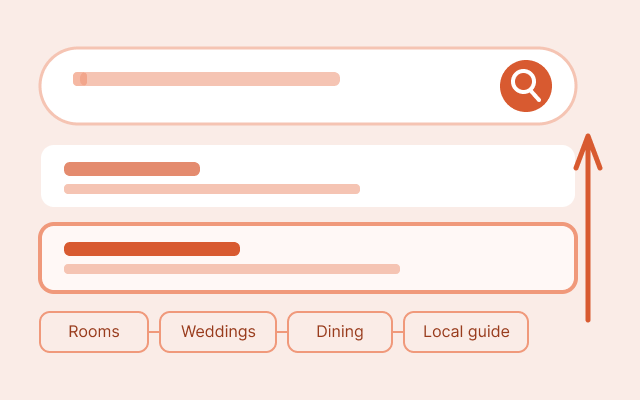
In case you want to receive regular bookings monthly, your beautiful site should receive a lot of traffic. Search visibility assists in generating demand without necessarily spending on advertisements. Ensure that you prepare individual pages on rooms, amenities, and guest services.
Also, have different pages on weddings, meetings, and dining. Write local guides on the popular tourist spots that people are already seeking. And be sure to have headings on all meaningful pages. Enhance the ease of navigation through internal links among related content.
9. Instant Chat Support Saves Lost Booking Leads
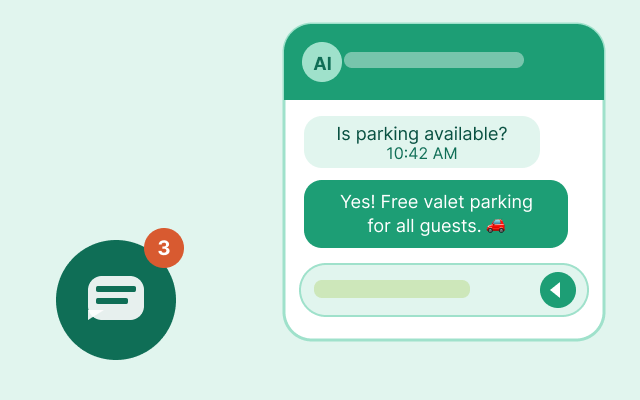
There are some travelers who require answers before they are convinced to make online reservations. In case of too long replies, they simply switch to another hotel. So, include AI chat services that deal with frequently asked questions about rates or parking. Respond to timing, amenities, and policy issues immediately. Leads may also be captured by smart chat at the end of the office hours.
The next morning, your staff can follow up without any loss of momentum. Make scripts friendly to make conversations natural and helpful. Shuffle complicated requests to human teams when it is needed fast.
10. Consistent Branding Builds Confidence Through Checkout
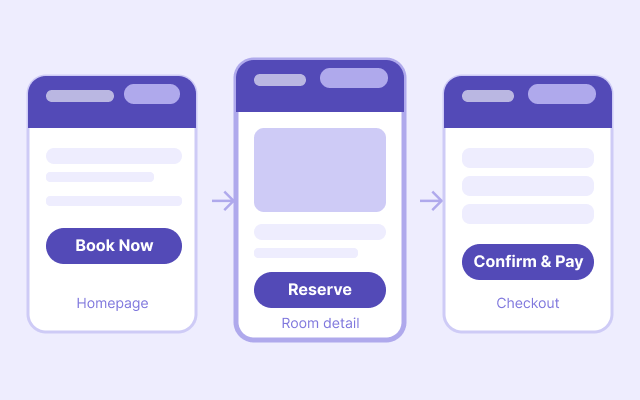
Guests can notice design changes throughout the booking steps as soon as they happen. Mismatches may reduce trust in critical payment situations in a short period of time. Always use similar fonts, colors, and tone on all pages. Always have logos in a prominent place to make the brand familiar.
Ensure booking engines reflect the same style as your website. Confirmation pages must also be equally branded and polished. Apply the same style of the image in every part to maintain continuity. High consistency ensures that the whole trip is professional.
Next Steps to Turn These Trends Into More Bookings
Now that you know the latest trends, the smartest move is steady action. Start with these practical steps to turn ideas into direct bookings.
- Audit Mobile Experience: Visit your site on a variety of phones and tablets to quickly identify layout problems, broken buttons, and unreadable text.
- Optimize Load Times: Optimize huge images, eliminate unnecessary plugins, and decrease bulky scripts that slow down valuable booking pages.
- Streamline Navigation: Determine whether visitors can access rooms, offers, and contact information with a single or two clicks.
- Update Visual Content: Change the old pictures with the latest room pictures, new facilities, and property features on a regular basis.
- Enhance Booking Paths: Ensure booking buttons are always visible and forms are short on all key pages.
- Create Trust Signals: Include recent guest reviews, secure payment badges, and have clear cancellation policies close to checkout.
- Add SEO Pages: Add dining, weddings, meetings, and surrounding attractions to the searchable pages in order to receive more visitors.
- Select Expert Support: In case upgrades seem complicated, companies such as Yanolja Cloud Solution can assist hotels to update websites effectively.
The Cost of Standing Still
Hotels that delay website updates often lose bookings quietly, monthly. Travelers now expect speed, trust, clarity, and convenience. These ten trends can improve direct revenue steadily. Start with mobile fixes and booking buttons first. Then improve visuals, SEO, and trust signals next. Small updates done consistently will create strong long-term gains.
Your website should be your highest-performing booking channel, not your biggest missed opportunity. See how YCS helps hotels create faster, conversion-focused websites that drive more direct bookings and revenue.